Standard Asset Types

Mixed-Use Project Appraisal

Overview

Mixed Use Project Appraisal – Mixed Use projects, typically a real estate asset which is comprised of at least three different uses. These uses can vary, depending on the project and may include office, retail, hotel, residential, industrial and other uses. These projects are gaining in importance in Latin America, but often require a high level of planning, architectural focus, and significant equity requirements. The benefits of mixed-use developments are economic, social and environmental.

The projects allow for a self-sustaining project, where the different uses act as demand generators for the other uses. For example, the residential units of a project may generate retail sales in the commercial component of a project. This generates social benefits also, as projects bring together communities of employees, residents, and visitors.

Finally, environmental advantages are also noted, as mixed-use projects decrease the need for long commutes for residents and decrease the need to travel and maintain visitors (decrease reliance on transportation).


Benefits

  • More dense development – able to be used in infill sites
  • Character of neighborhood stronger
  • Decrease in commutes – reduced distances between business and residences
  • Residential density greater

Drawbacks

  • Large need for capital – usually cannot be phased
  • Complex, difficult for lenders to understand

In order to complete a mixed-use appraisal, an appraiser must understand and be able to value the different components within such a development. Typically, there are few appraisers in Latin America who can leverage their experience to be able to effectively value such complex projects.

Since LOGAN has different focus groups that specialize in all asset classes, a mixed-use appraisal is a specialty product that can be undertaken.

Types

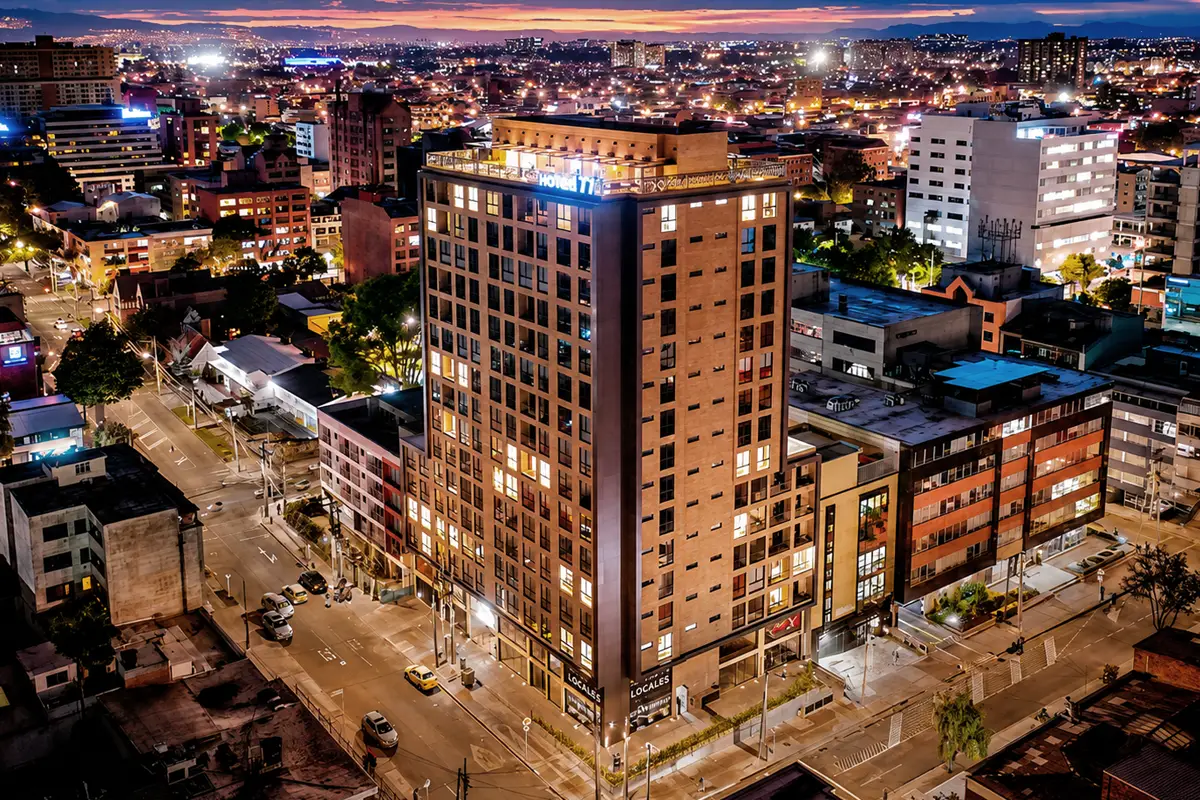
Mixed-Use Towers – these are high rise buildings that include multiple uses within one building. Often office and first floor retail are combined with residential, or hotel uses. This is becoming a more common practice in Latin America – as cities are growing vertically, and taller buildings becoming more commonplace.

Mixed-Use Shopping Centers – In Latam, there are many big box retail centers that are being converted to mixed use projects by building on remaining vacant lots with development potential within said centers. LOGAN has observed residential, multifamily, office, and hotel uses added to existing shopping centers in Latin America.

Mixed-Use Multifamily Projects – new multifamily projects are currently being constructed in Mexico, Colombia, and Peru. The projects typically focus on higher social economic level demographics and are usually located in infill locations. Since the land is expensive, the projects often need to be multistory. The first floor naturally is retail – and sometimes the second and third floors which face busy streets are destined for office or coworking use.

Mixed-Use Villages – these are PUDs or planned urban developments, which are in dense cities that are known as villages, because of their mixed-use nature. Residents and visitors have little need to leave because of the multi-use atmosphere of such villages.


Approaches, Relevance

Cost – an important approach when valuing new mixed-use projects. Each component may be researched independently, and respective values concluded.

Sales comp or market approach – this is a valid method to employ, however, each component must be researched and respective the respective comparables for each use.

Income capitalization – this approach is useful because investors typically buy properties based on the net cash flow they generate. There are complications when evaluating the net cash flow of a mixed-use project because operations are often linked, and complex. For example, property taxes, and maintenance costs may have to be estimated and distributed amongst the different components.

DCF – the cash flow of a mixed-use project is an important method to consider in the valuation process. Investors use cash flow projections to determine the attractiveness of a project. LOGAN uses argus enterprise software to model mixed-use projects and complete the appraisals of other asset types as well.


Value Impacting Factors

Components – the synergy of the components of mixed-use projects are selected in order to generate maximum long-term value. At the beginning of the development of a project, the components are carefully selected based on the recommendations of a highest and best use study – and market studies of the respective components.

Location – the location of mixed-use projects is often infill and requires vertical development in order to compensate for land costs. This infill nature of mixed-use developments is a value generator and allows for projects to be built in exclusive locations.


Important Inputs

  • Rent, rental growth – all components
  • Rent as % of sales – retail component
  • Tenant credit quality – office, retail components

Recent Trends

  • Pandemic, and restrictions imposed that limit entry to mixed-use projects
  • Pandemic and its impact on transportation, traffic, and foot traffic
  • Proportional increase in space in retail centers used as entertainment

Deliverable

Narrative Appraisal Report

  1. Value considerations – summary
  2. Purpose, scope
  3. Site overview
  4. Improvement summary
  5. Scope, detail
  6. Highest and best use of subject
  7. Approaches to value considered and used
  8. Reconciliation of value
  9. Certification overview

Leadership Team

Leadership Across Latin America's
Principal Markets.

Other case studies

CCLA – Multifamily Market Study Colombia

Project Leaders: Diego Rodriguez Rueda, MRICS; Paola Raba. Market analysis for the first institutional Multifamily project in Colombia, Nomad 77 (127 Units).

ARGUS Enterprise helps attract real estate investors to latin america

LOGAN Valuation championing software as key to evolution Business Challenge Robert and Bryan Dragoo founded LOGAN Valuation.

Local teams. Regional standards.
One point of contact.

81st Street # 11-55, Ochenta 81 Building, North Tower, 6th Floor, Office 601, Bogotá, Colombia

Email: adminCO@loganvaluation.com
Phone: +57 (601) 467-4717
Hours: M - F 8.00 am - 5.30 pm

217 Mayor Armando Blondet Street, Office 901, San Isidro, Lima, Peru

Email: adminPE@loganvaluation.com
Phone: +51 (1) 702-7126
Hours: M - F 8.00 am - 5.30 pm

San Rafael de Escazu, District 4 North Coast – Amara CC, Office 408, 10203, Costa Rica

Email: AdminCA@loganvaluation.com
Phone: +506 4010-0565
Hours: M - F 8.00 am - 5.30 pm

Plaza Villa de Madrid No. 1, 10th Floor – Office “C,” Roma Norte, Cuauhtémoc, ZIP Code 06700, Mexico City, Mexico

Email: adminMX@loganvaluation.com
Phone: +52 (55) 9303-5017
Hours: M - F 8.00 am - 5.30 pm

86 Rafael Augusto Sánchez Street, Roble Corporate Center, 7th Floor, Office 10148, Santo Domingo, Dominican Republic

Email: adminCB@loganvaluation.com
Phone: +1 (849) 936-3683
Hours: M - F 9:00 am - 6:30 pm

Av. El Golf 40, 12th Floor, Las Condes, Santiago, 7550107

Email: AdminCH@loganvaluation.com
Phone: +56 (2) 2485-1345
Hours: M - F 8.00 am - 5.30 pm

Calle A-1, Urb. El Parque. Delta Tower, 6th Floor, Office No. 6-E, Barquisimeto, Lara State, Venezuela

Email: AdminVE@loganvaluation.com
Phone: +58 0424-5344823
Hours: M - F 8.00 am - 5.30 pm

Diagonal 6, 10-50, Zone 10, Interamericas Building, North Tower, Office 1601, Guatemala City, Guatemala

Email: adminCA@loganvaluation.com
Phone: +502 2294 4393
Hours: M - F 8.00 am - 5.30 pm