Construction & Real Estate Dominican Republic Eastern Region 2026: Record Growth and a Strategic Inflection Point
On Wednesday, February 18, 2026, the event “Construction & Real Estate Eastern Region”, organized by Revista Mercado, took place in Punta Cana.
The gathering brought together tourism leaders, developers, institutional representatives, and key real estate stakeholders to analyze the present and future of the Dominican Republic’s Eastern Region.
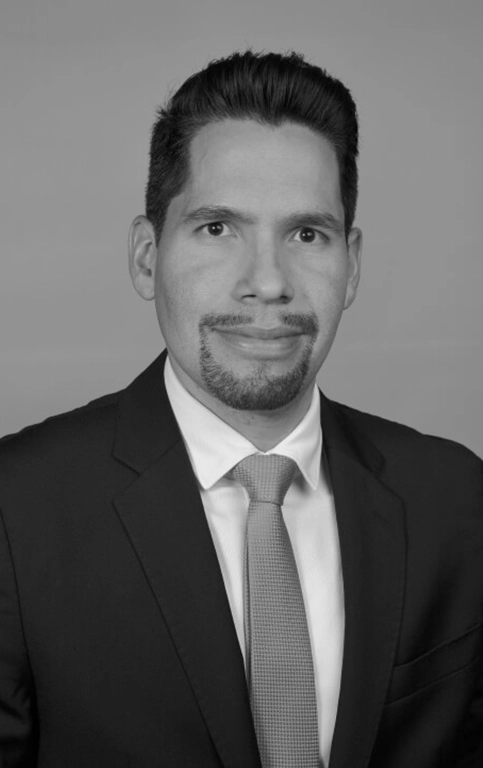
This article summarizes the main conclusions drawn from the event’s panel discussions, along with strategic insights from Diana M. Tibaduiza, Managing Director Caribe, who attended the event.
The Eastern Region: Record Numbers and a Structural Question
The Eastern Region continues to consolidate its position as the country’s primary economic engine. Over the past year, a historic record of 17,000 daily tourists was reached, confirming the sustained dynamism of a market that includes Punta Cana, Bávaro, Miches, Cap Cana, and Casa de Campo.
Today, the region accounts for approximately 60% of national tourism, with more than 55,000 operating hotel rooms and at least 4,000 additional rooms under development, not including new projects planned in Miches.
However, beyond record-breaking growth, the central debate of the event revolved around a critical question:
Is planning advancing at the same pace as growth?
Panel 1: Growth Without Order — The Structural Risk
The first panel, focused on the role of industry associations in tourism and real estate development, made it clear that the main challenge is no longer demand, but urban planning and infrastructure capacity.
The Eastern Region leads the country’s construction sector:
- 1 out of every 5 pesos in the national economy comes from construction.
- 1 out of every 4 real estate licenses issued in the Dominican Republic corresponds to this region.
Yet, growth has outpaced institutional oversight and planning capacity. Key challenges identified include:
- Territorial planning gaps.
- Limited technical supervision.
- Lengthy permitting processes.
- Insufficient public-private coordination.
The effective implementation of the Territorial Planning Plan emerged as a critical priority. Without it, development risks becoming reactive rather than strategic.
Additionally, the government-supported aqueduct project was highlighted as one of the most decisive infrastructure initiatives required to sustain future expansion.
Panel 2: The Real Estate Value Chain — Discipline and Governance
The second panel addressed the structuring and commercialization of real estate developments.
The conclusion was clear:
- A project’s success depends not only on location or design, but on the strength and coordination of the multidisciplinary team behind it.
- Permitting, financial structuring, international marketing, environmental compliance, and governance must operate in alignment.
- In this context, capital markets play an increasingly relevant role. Brokerage firms and structured financial instruments not only provide funding but also introduce discipline, transparency, and corporate governance standards. In a rapidly expanding market, these elements are not optional — they are competitive advantages.
Digitalization: The New Commercial Standard
One of the most evident cross-cutting themes was the digital transformation of the sales process.
Most buyers are located abroad — primarily in Europe, the United States, and Canada — and an increasing number of transactions are closed without physical visits to the project site.
Today’s market favors developers who:
- Communicate clearly and consistently.
- Build trust through high-quality renderings and visual materials.
- Incorporate immersive virtual tours.
- Demonstrate professionalism and transparency.
Digital trust has become a strategic asset.
Housing and Structural Pressure
With over 55,000 operating hotel rooms and thousands more under development, hospitality growth is generating a structural consequence: increasing demand for housing for employees and permanent residents.
The Eastern Region is evolving from a tourism destination into a residential hub. This shift requires rethinking:
- Urban infrastructure.
- Basic services.
- Energy supply.
- Wastewater treatment.
- Solid waste management.
The consensus was clear: growth must transition from expansive to sustainable.
Tourism, Investment, and Political Stability
During the tourism and investment session, speakers emphasized that capital flows where there is political stability and long-term vision.
The country’s institutional stability has been a decisive factor in attracting international investment. Premium developments are supported by three core pillars:
- Legal certainty.
- Political continuity.
- Structural incentives such as the Confotur Law.
Industry consensus suggests that maintaining and strengthening these incentives is essential for regional competitiveness.
Additionally, hotel performance indicators show minimal seasonality, improving returns and reducing operational risk for investors.
The Structural Priorities for the Next Decade
If the country intends to sustain its current momentum, it must prioritize:
- Full implementation of the Territorial Planning Plan.
- Water infrastructure expansion (aqueduct systems).
- Wastewater treatment capacity.
- Integrated waste management systems.
- Energy expansion, including solar solutions.
- Streamlined permitting processes.
- Workforce development to reduce external labor dependence.
The closing message of the event was unequivocal:
Tourism promotion cannot slow down.
But acceleration without direction is not sustainable.
Conclusion: A Defining Moment
The Eastern Region is experiencing a historic moment.
- Demand remains strong.
- International appetite is solid.
- The political framework is stable.
- Investment incentives are functioning.
However, the next cycle will not depend solely on growth, but on structuring, organizing, and elevating the quality of that growth.
The question is no longer whether the Eastern Region will continue expanding.
The real question is:
Will it become a model of sustainable tourism and real estate development for the Caribbean, or a region that grew faster than it could organize itself?
Time — and strategic planning — will determine the outcome.
📩 For Investors and Developers
At Caribe, we support investors, developers, and financial institutions with market analysis, valuations, and strategic advisory services to enable informed decision-making in the tourism and real estate sectors.
Learn more and contact us here:
👉 Caribbean appraisals | Experts in Real Estate Appraisal
Diana M. Tibaduiza
Managing Director Caribe